Source wooden chair handle forming machine for legs, handles, and frames
Compare 30 wooden chair handle forming machine listings from verified suppliers. Review specifications like voltage, power, and dimensions to find the right equipment for solid wood chair leg and handle production.
Key considerations
Products List


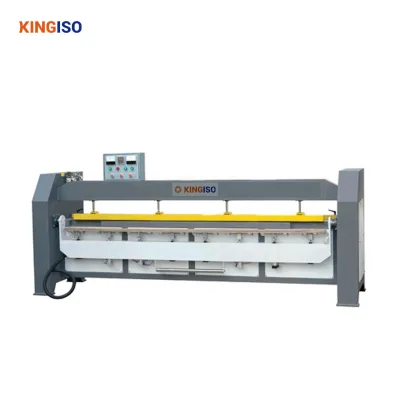


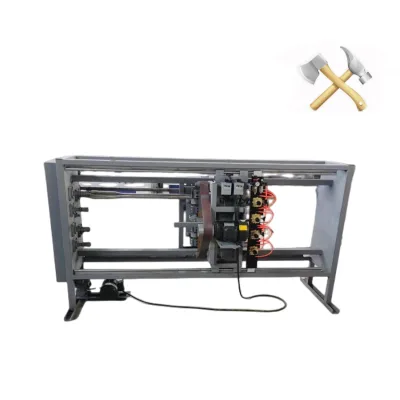


Comprehensive Sourcing Guide
Strategic Sourcing Guide for Wooden Chair Handle Forming Machinery
Selecting the right equipment for the production of solid wood chair legs and handles requires a rigorous understanding of the specific machinery available in the global market. The core keyword "wooden chair handle forming machine" often encompasses a variety of industrial tools, ranging from specialized CNC lathes to hydraulic pressing systems designed for specific shaping and finishing tasks. For procurement professionals, the primary challenge lies in distinguishing between machines that perform actual turning and cutting operations versus those that utilize pressing and molding techniques. This guide provides a disciplined approach to evaluating these assets, focusing on the technical realities observed in current listings, compliance requirements, and the structural characteristics necessary for reliable manufacturing operations.
Technical Specifications and Operational Capabilities
The first step in sourcing is to analyze the technical specifications that define the machine's capability to produce the desired output. In the current market, equipment dedicated to wooden chair handle forming is not monolithic; it includes distinct categories based on their processing methods. One observed category features machines with a specific model designation of "Zd 16-60" or "ZD16-60," designed explicitly for solid wood chair legs and handles. These units operate with a workpiece diameter range of 16 to 60 mm, indicating their suitability for standard residential and commercial furniture components. The physical footprint of such a machine is substantial, with dimensions recorded at 8008001350 mm, and it carries a weight of 240 Kg.
Crucially, the operational mode of these specific units is defined as "not CNC." This distinction is vital for buyers who may be accustomed to computer-controlled automation. Instead, these machines rely on a "Frame Type" structure and utilize a "Hot Press" processing technic. The power consumption for this class of equipment is typically around 2.5 kW, operating at a speed of 3200 R/Min. The voltage requirement is standardized at 380V, often specified as 3-phase 380V, which aligns with industrial power standards in many manufacturing hubs.
In contrast, another segment of the market offers machines with different operational parameters, such as the "XCH-1800" or "120T" models. These units often feature a "Moulding Press" or "Flat Press" shape and operate under "Hydraulic Pressure." The dimensions for these larger pressing units can vary significantly, with some observed dimensions reaching 26006501520 mm and weights exceeding 1800 Kg. The workpiece handling for these pressing machines includes a length range of 350-1600 mm and a width of 10-60 mm. Buyers must verify whether their production line requires a turning operation (associated with the ZD models) or a pressing/molding operation (associated with the XCH or 120T models), as the functional output differs fundamentally.
Compliance and Certification Verification
When sourcing industrial machinery from international markets, particularly from regions where the majority of these units originate, verifying compliance and certification is a non-negotiable step. The supply chain data indicates that a significant portion of available equipment carries "CE" certification. This mark is essential for machinery intended for sale and operation within the European Union and serves as a baseline indicator of safety and electrical compliance. Some listings also reference "ISO" standards, suggesting adherence to international quality management systems, though the specific ISO standard number should be confirmed with the supplier.
Buyers must exercise caution regarding other certifications. While "FSC" (Forest Stewardship Council) is often associated with sustainable wood sourcing, it is a material certification rather than a machine certification. It is incorrect to assume that a machine bearing the FSC mark or associated with FSC wood implies the machine itself is certified by FSC. Instead, the FSC status applies to the raw materials processed. The primary focus for the machine itself should remain on the CE mark and any local safety standards required by the buyer's jurisdiction. Additionally, the "Automatic Grade" of the machinery varies; some units are described as "Semiautomatic," while others are "Automatic." This distinction impacts the level of operator intervention required and should be matched against the buyer's labor cost strategy and production volume needs.
Cost Drivers and Pricing Dynamics
The pricing of wooden chair handle forming machines is influenced by a complex array of factors, including the complexity of the mechanism, the power rating, and the level of automation. The observed price range in the market is exceptionally broad, spanning from 1 USD to 500,000 USD. This wide variance suggests that the market includes everything from basic, manual or semi-automatic units to highly sophisticated, fully automated production lines.
Several specific attributes drive the cost within this range. The power rating is a primary factor; units with 2.5 kW or 2.2 kW motors represent a baseline, while larger systems with multiple outputs or high-pressure capabilities (such as the 96t total pressure units) command higher prices. The "Total Pressure" capacity, which can reach 96 tons in some models, directly correlates with the machine's ability to handle larger or denser workpieces, thereby increasing the manufacturing cost. Furthermore, the "Controlling Mode" plays a significant role. Machines with "Artificial" control modes are generally less expensive than those with advanced digital or automated control systems.
The "Condition" of the machine is another critical cost driver. All observed listings specify the condition as "New," which implies that buyers are purchasing brand-new equipment. However, the "Customization" availability is a key variable. Units that offer "Customized" dimensions, voltage configurations (such as 3 Phase 4 Wires AC380V 50Hz or customized variants), or specific packing requirements (like "Wooden Box" or "Plastic Film") will incur additional costs. The "Work Mode," whether "Continuous" or "Period," also affects the price, with continuous operation systems typically being more expensive due to the engineering required for sustained performance.
Typical Applications and Production Fit
Understanding the specific applications of these machines is essential for ensuring they align with the buyer's product portfolio. The primary application for the ZD16-60 class of machines is the formation of "Solid Wood Chair Leg and Handle." These units are designed to process workpieces within a specific diameter range, making them ideal for the production of standard chair components that require turning or shaping. The "Hot Press" technic utilized by these machines suggests they are also capable of bonding or shaping wood fibers under heat and pressure, which is common in the manufacturing of composite or laminated chair parts.
For buyers focusing on larger scale production or different component types, the "Moulding Press" and "Flat Press" units offer alternative solutions. These machines are suitable for processing workpieces with lengths up to 1600 mm and widths up to 60 mm. The "Single Layer" pressing capability of some models indicates they are designed for specific lamination or pressing tasks rather than multi-layer assembly. The "Hydraulic Pressure" work form ensures consistent force application, which is critical for maintaining dimensional accuracy in chair components.
The "Output" capacity is another consideration for application fit. Some advanced models feature "Two Outputs One Hf Drives Two Press" configurations, allowing for simultaneous processing of multiple workpieces. This capability is particularly valuable for high-volume manufacturers aiming to maximize throughput. Buyers must match the "Workpiece Length" and "Width" specifications of the machine with their specific product designs to avoid bottlenecks or the need for frequent retooling.
Supplier Evaluation and Origin Considerations
When evaluating potential suppliers, the origin of the machinery is a significant factor. The supplied data indicates that the "prod_origin" for these machines is "China." This is a common origin for industrial woodworking machinery, offering a wide range of options at competitive price points. However, buyers must conduct thorough due diligence to ensure the supplier's reputation aligns with their quality expectations.
Key evaluation criteria include the "prod_packing" method. Some suppliers offer "Wooden Case or Nude" packing, while others use "Wooden Box" or "Plastic Film." The choice of packing can impact the safety of the machine during transit and the ease of unpacking at the destination. Additionally, the "Customization" availability should be verified. Suppliers that offer "Customized" options for voltage, dimensions, or specific working tables (such as a "Top Working Table" of 150X650mm or a "Bottom Working Table" of 1800X650mm) demonstrate a higher level of flexibility and customer service.
Buyers should also assess the "Structure" of the machine. The "Frame Type" structure is a common design that offers stability and durability. However, the specific engineering of the frame, including the material quality and welding standards, should be verified through technical drawings or site visits if possible. The "Condition" being listed as "New" is a positive indicator, but buyers should request proof of manufacture date and warranty terms to ensure the equipment is not refurbished or overstocked.
Quality Control and Long-Term Procurement
Quality control is paramount when importing industrial machinery. Buyers should verify the "Standard" specifications of the machine, noting that some listings reference dimensions as standards (e.g., 360021801040 mm), which may indicate the machine's footprint or operational envelope rather than a formal industry standard. It is crucial to confirm that the machine meets the specific safety and performance standards required in the buyer's country.
Long-term procurement considerations include the availability of spare parts and technical support. The "Automatic Grade" of the machine, whether "Semiautomatic" or "Automatic," will influence the maintenance requirements. Machines with more complex automated systems may require specialized technicians for repairs. The "Power" rating and "Voltage" specifications must be compatible with the buyer's local electrical infrastructure. If the machine is designed for 380V but the local grid is different, a transformer or voltage converter will be necessary, adding to the total cost of ownership.
Furthermore, the "Work Mode" of the machine, whether "Continuous" or "Period," affects its longevity and maintenance schedule. Continuous operation machines require more frequent maintenance to prevent wear and tear. Buyers should also consider the "Processing Technics," such as "Cold Press" or "Hot Press," as these determine the energy consumption and the type of raw materials that can be processed. Finally, the "Output" capacity should be evaluated against future production growth plans to ensure the machine remains relevant as the business scales.
Comparative Analysis of Machine Categories
To facilitate decision-making, the following table summarizes the key differences between the observed machine categories. This comparison highlights the distinct operational characteristics and specifications that buyers should consider when selecting equipment for wooden chair handle forming.
| Feature | Category A: ZD16-60 Series | Category B: XCH-1800 / 120T Series | Category C: SYMS-356 Series |
|---|---|---|---|
| Primary Application | Solid Wood Chair Leg and Handle | Moulding Press / Flat Press | General Pressing / Forming |
| Processing Technic | Hot Press | Moulding Press / Flat Press | Cold Press |
| Workpiece Diameter | 16-60 mm | 10-60 mm | Not Specified |
| Workpiece Length | Not Specified | 350-1600 mm | Not Specified |
| Power Rating | 2.5 kW | 2.2 kW | Not Specified |
| Weight | 240 Kg | 1886 Kg | Not Specified |
| Dimensions | 8008001350 mm | 26006501520 mm | Not Specified |
| Voltage | 380V | 3 Phase 4 Wires AC380V | Not Specified |
| Automation Level | Semiautomatic | Automatic | Not Specified |
| Certification | CE, ISO | CE | Not Specified |
| Packing | Wooden Box | Plastic Film | Wooden Case or Nude |
This comparative analysis underscores the importance of matching the machine's specific capabilities to the buyer's production requirements. Whether the need is for a compact, semi-automatic unit for small-batch handle production or a large, fully automatic pressing system for high-volume component manufacturing, the specifications provided above offer a clear framework for evaluation. By adhering to these evidence-based criteria, buyers can make informed decisions that optimize their production efficiency and ensure long-term operational success.
FAQs
What certifications do wooden chair handle forming machines have?
Available units typically carry CE certification, and some listings also reference ISO standards. Buyers should verify specific certification documents with suppliers to ensure compliance with local safety regulations before purchase.
Which voltage specifications are standard for these machines?
Most machines operate on 380V, often specified as 3-phase 380V. Some models offer customized voltage configurations like 3 Phase 4 Wires AC380V 50Hz to match local power infrastructure requirements.
How does the automation level affect machine operation?
Machines vary from semiautomatic to fully automatic grades. Semiautomatic models may require more operator intervention, while automatic units support continuous or period work modes depending on the specific production needs.
Can buyers request customization for dimensions or packing?
Yes, customization is available for various attributes including dimensions and packing methods. Options include wooden boxes, plastic film, or nude packing, and some suppliers offer customized working table sizes.
What is the typical power consumption for these units?
Power ratings generally range from 2.2 kW to 2.5 kW for standard models. Higher capacity units with multiple outputs or greater pressure capabilities may consume more power depending on their specific configuration.
Which processing techniques are used for forming chair parts?
Common techniques include hot press and cold press methods depending on the machine model. These processes utilize hydraulic pressure to shape solid wood chair legs and handles effectively.